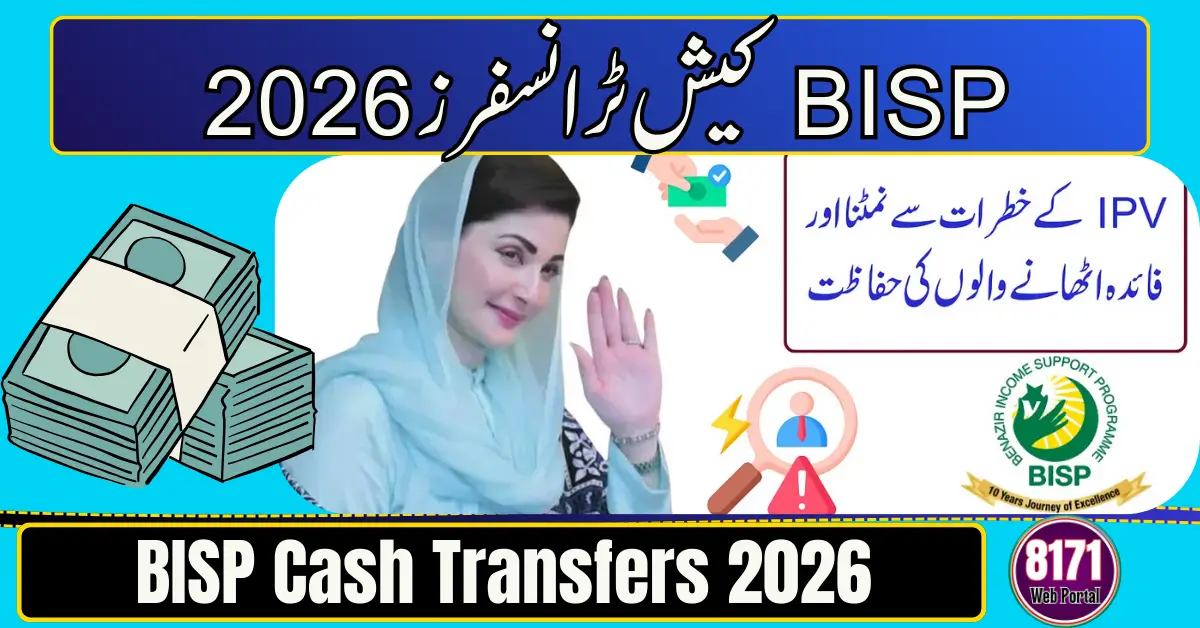
BISP Cash Transfers 2026: Addressing IPV Risks and Protecting Beneficiaries
The Benazir Income Support Programme (BISP) continues to play a critical role in poverty alleviation by providing direct cash assistance to millions of women-led households in Pakistan. In 2026, BISP cash transfers remain focused on financial inclusion, food security, and women’s empowerment. However, alongside these benefits, policymakers and social experts are increasingly highlighting the risk of Intimate Partner Violence (IPV) linked to household financial stress and control dynamics.
Measures Introduced to Reduce IPV Risks
To address these concerns, Benazir Income Support Programme has strengthened safeguards in 2026, including awareness campaigns, grievance redressal mechanisms, and collaboration with social protection and women’s rights organizations.
Key Safeguards at a Glance
| Measure | Purpose |
|---|---|
| Biometric verification | Ensures payments reach the registered woman |
| Confidential helpline | Enables reporting of abuse or deductions |
| Community awareness sessions | Promotes safe use of cash assistance |
| Payment transparency | Reduces household conflict over funds |
Why Safe Cash Transfers Matter
Protecting beneficiaries from IPV is essential to ensure that cash transfers truly empower women rather than expose them to harm. Safe delivery mechanisms help preserve dignity, autonomy, and long-term economic stability.
FAQs
Can BISP payments increase domestic conflict?
In some households, financial changes can cause tension, but safeguards aim to minimize this risk.
What should beneficiaries do if they face pressure or violence?
They should immediately contact the BISP helpline or visit the nearest BISP office.
Conclusion
In 2026, BISP cash transfers continue to support vulnerable families while evolving to address IPV risks responsibly. By combining financial aid with protection measures, BISP aims to ensure that economic support leads to empowerment, safety, and long-term social impact.