BISP Cash Assistance & IPV 2026: What Happens When Financial Support Suddenly Stops?
Benazir Income Support Programme (BISP) remains Pakistan’s largest social protection initiative, providing regular cash transfers to millions of low-income households, especially women. In 2026, these payments continue to play a critical role in meeting basic needs such as food, healthcare, and children’s education.
However, sudden discontinuation or suspension of BISP payments—due to verification issues, data mismatches, or policy changes—can have serious social consequences.
Link Between Cash Transfers and Intimate Partner Violence (IPV)
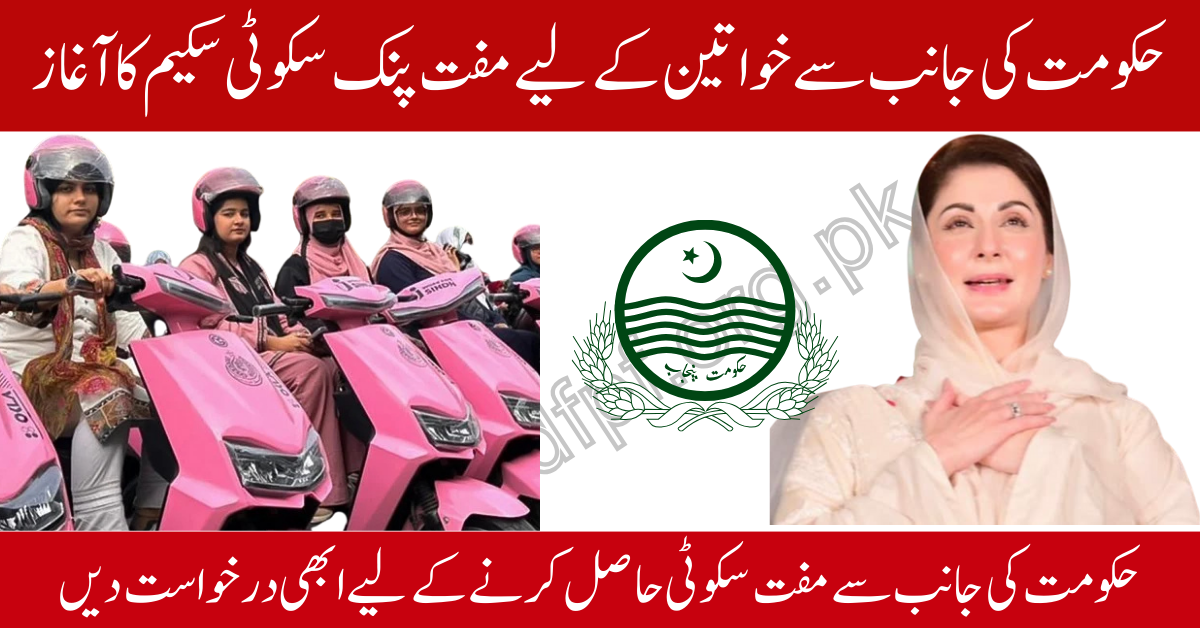
Punjab Launches Pink Scooty Scheme 2026 – Free Scooties for Women to Begin Distribution
The Punjab government has officially initiated the Maryam Nawaz Pink…

How to Check CNIC by Mobile Number in Pakistan 2026
Verifying your CNIC (Computerized National Identity Card) using a mobile…

Punjab Board Examination Marking System Explained – How Students Are Assessed
The Punjab Board exam marking system is designed to ensure…
Research and field data indicate that stable cash assistance often reduces household stress and financial conflict. When BISP payments are abruptly stopped, families may face economic pressure that can increase Intimate Partner Violence (IPV) risks, particularly in already vulnerable households.
Women who rely on BISP stipends may lose bargaining power within the household, leading to emotional or physical stress.
Effects of Sudden BISP Discontinuation
Key impacts observed after payment suspension include:
- Increased household financial stress
- Reduced food security
- Higher risk of domestic disputes
- Limited access to healthcare and education
Common Reasons for Payment Suspension
| Reason | Explanation |
|---|---|
| CNIC Verification Issues | NADRA data mismatch or expired CNIC |
| Dynamic Survey Gaps | Incomplete household information |
| Eligibility Changes | PMT score exceeding threshold |
| System Updates | Temporary portal or banking delays |
Social and Economic Consequences
When BISP cash transfers stop without warning, families often resort to borrowing or reducing essential expenses. This not only affects women’s financial autonomy but also negatively impacts children’s nutrition and schooling. Continuous support and clear communication are therefore crucial to prevent long-term harm.
How Beneficiaries Can Protect Their Payments
- Keep CNIC and family data updated
- Complete BISP Dynamic Survey on time
- Regularly check status via the 8171 portal or SMS
- Report issues at the nearest BISP Tehsil Office
FAQs
Q1: Does stopping BISP payments increase household stress?
Yes, sudden income loss often leads to financial and emotional pressure.
Q2: Are women most affected by BISP discontinuation?
Yes, as women are primary recipients, loss of payments reduces their economic security.
Q3: Can suspended payments be restored?
In most cases, yes—after data verification and eligibility review.
Q4: Is IPV officially tracked by BISP?
BISP collaborates with partners, but IPV monitoring mainly comes from independent studies.
Conclusion
BISP cash transfers in 2026 are more than financial aid—they are a social stability tool. Sudden discontinuation can intensify poverty-related stress and increase IPV risks. Ensuring transparent processes, timely communication, and data accuracy is essential to protect vulnerable families and maintain the positive impact of BISP.